The Cboe Volatility Index, known widely as the VIX, tracks the market’s expectations for 30-day volatility in the S&P 500. The index uses real-time prices of S&P 500 options, gathering data from a range of strike prices for both puts and calls. Its current form has existed since 2003, after Cboe and Goldman Sachs updated the calculation method to focus on the broader S&P 500 rather than the S&P 100. The index’s history stretches back to 1993, with earlier data available through the VXO, which tracked a similar measure for the S&P 100.
The VIX is often called the “fear gauge” because many traders and fund managers use it to read the mood of the market. When investors worry about uncertainty or expect quick price swings, the VIX tends to climb, sometimes sharply. If traders see smoother times ahead, the VIX usually falls.
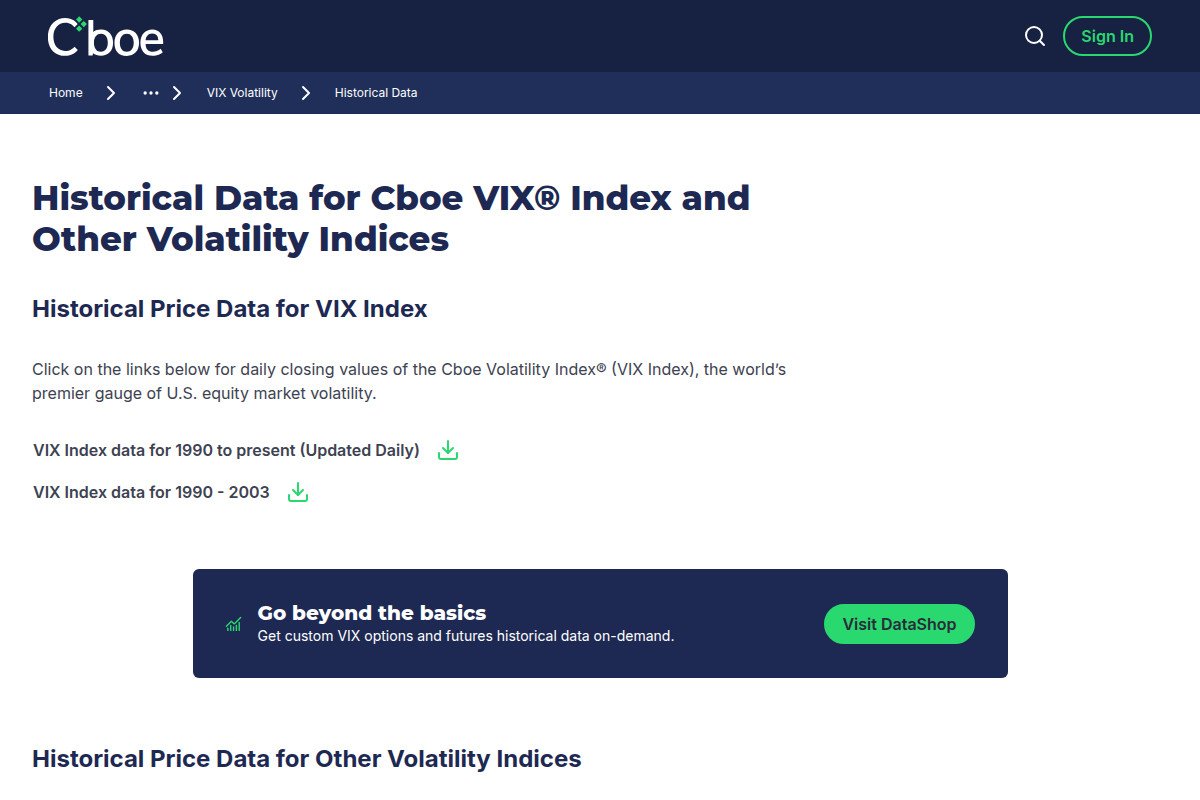
For those interested in tracking or trading volatility itself, the VIX is not alone. The Cboe calculates related indices, such as those focused on gold, crude oil, or individual companies like Apple and Amazon. Historical data, including daily closing values and futures on the VIX, can be found at Cboe Global Markets.
Recent VIX Movements and Market Context
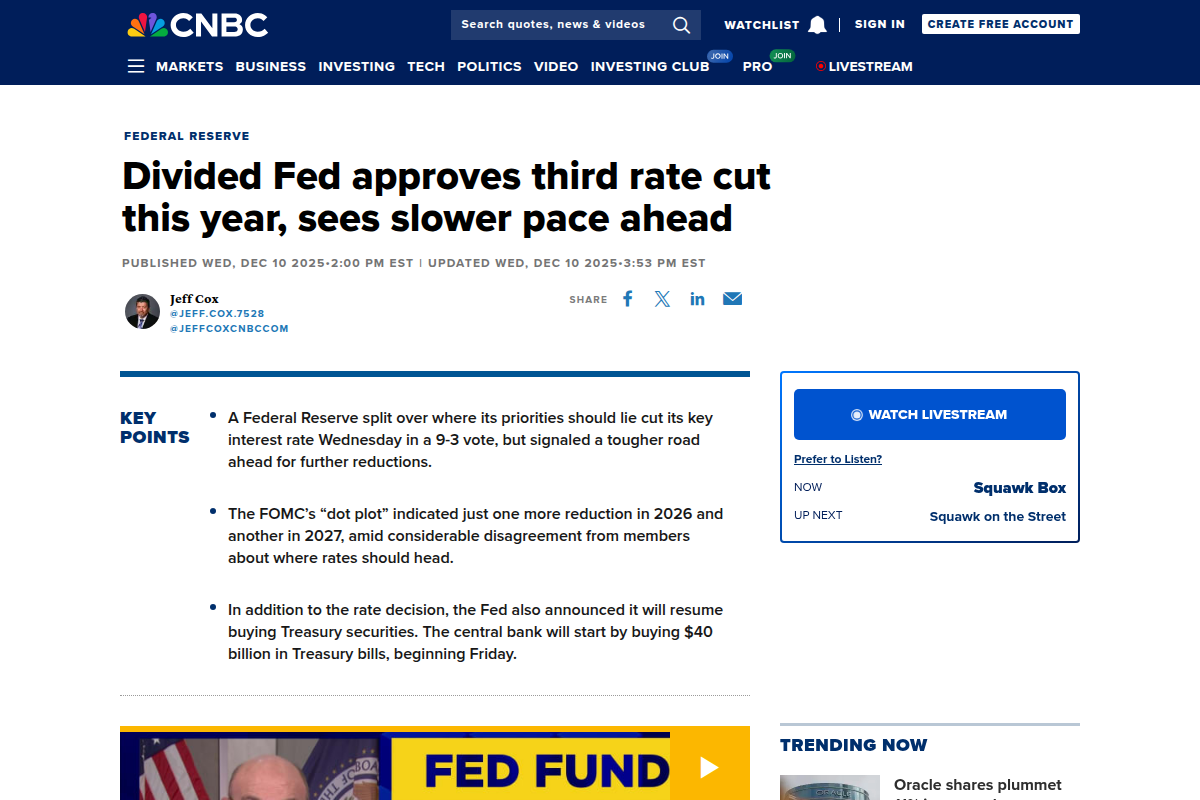
On December 10, the VIX climbed to 17.43, marking a one-week high. This uptick, reported by BlockBeats News, comes as traders wait for the Federal Reserve’s upcoming rate decision. The recent move in the VIX signals a modest increase in anxiety, though the index remains well below levels seen during more turbulent periods. In the same news cycle, analysts noted that the VIX “holds low” just under 18, despite other large moves in assets like silver and changing expectations around interest rates. The broader market continues to watch closely as the Fed weighs its next step, with some expecting a possible rate cut.
Lower readings in VIX-related indices have also shaped trading decisions. Recent discussions, including those on tastylive, highlight how traders have approached the current low-volatility environment. Hosts discussed the profitability of short-term strategies, such as zero-day and one-day calendar spreads on the S&P 500, noting that the VIX 1D, which tracks implied volatility for one-day options, stands near 9.37. Lower VIX values often suggest smaller expected market swings, which can reduce the premiums traders receive for selling options. Yet, this environment can still present chances for those who adjust their strategies, especially around busy periods like Fed announcements.
The Role of the VIX in Market Strategy
Since its inception, the VIX has become a fixture for risk managers, traders, and financial theorists. Some use it to hedge portfolios, while others see it as a stand-alone trading product. VIX futures and options allow participants to bet on or protect against future swings in the index. Market professionals often monitor changes in the VIX to gauge shifts in sentiment. When the VIX moves higher, traders may interpret this as a sign that uncertainty is increasing, perhaps before economic releases or policy decisions.
But the VIX does not predict the direction of the stock market. A rising VIX only tells us that investors expect larger moves—up or down. The measure can respond to expectations for news, such as policy changes, earnings reports, or geopolitical events.
VIX-related products now cover more than just the S&P 500. Separate indices follow volatility in gold, crude oil, and emerging markets, reflecting demand for tools across asset classes. The original calculation method from 1993, now preserved as the VXO, still provides data for researchers studying long-term trends.
Looking Ahead
As the year winds down, traders will watch the VIX closely for signals about the mood on Wall Street. With the index near a one-week high, participants appear to be bracing for the Federal Reserve’s decision and any ripple effects across markets. Some will use this period to adjust their strategies, looking at how implied volatility shapes the premiums they can collect or hedge.
The VIX has delivered its clearest message in decades: volatility comes and goes, but the search for signals continues. For those watching financial markets, the index remains a vital barometer, especially when policy decisions and economic risks are front of mind. For regular updates and data, Cboe offers historical VIX values spanning more than thirty years.